
After each pass the video waits as long as the loop, so you can play it back.
Start slower with −, and it climbs to 100%.
Keys: Space play · ← → 5 s · [ ] set start and end · − = speed · L loop
Songs and solos · Intermediate
What Makes This Solo Great? Smells Like Teen Spirit
In this lesson
Tap a time to watch that part. loops it, so you can slow it down and play along.
-
Key idea A solo must serve the song; the melody always does
The Teen Spirit solo is basically Cobain's vocal melody; you can never go wrong playing the melody in your solo, in any style, because a solo has to serve the song. Tweaks and variations start from the melody.
-
-
Key idea Find the key from the chords, even power chords
Before analyzing any solo, find the key; power chords (root + fifth, no third) still fit a key, and the only key holding F5 Bb5 Ab5 Db5 is Ab major / F minor (vi ii I IV).
-
-
Exercise Key-scale row per chord
Write the key's notes reordered from each chord's root (one row per chord) and know exactly where the chord changes, then read off each solo note's degree; naming altered degrees by comparing to that root's own major scale.
-
Key idea Same chord tones, different notes
Cobain's opening phrase is 5 to b7 on F, then 5 to b7 on Bb: the same chord-tone relationship moved to the next chord (disguised by going down an octave), and a held note can turn from b7 of one chord into the root of the next.
-
Key idea Chord tones vs color tones
Roots, thirds and fifths always sound good; sevenths are great too (mind major vs flat 7); 2nds, 4ths and 6ths are color tones (9, 11, 13).
-
Key idea Resolve a crunchy note to a chord tone
If unsure about a color tone or a note that sounds 'wrong', resolve it quickly to a chord tone (1, 3, 5, 7) and it will never be a problem; Cobain's b6 over F5 lasts one eighth note and drops to the 5.
-
How to practice Hear each note against the chord
The most important part of analysis is hearing how each note sounds against the chord; do it enough and you recognize degrees instantly and remember their sounds.
-
Key idea 'X didn't know theory' is no excuse
Cobain heard it rather than thought theory; analysis is figuring out why what he heard works so you can look for it in your own melodies and solos.
-
Exercise One-degree soloing constraint
Solo over any progression using only one degree on every chord (only fifths, only roots, only sixths) to learn how each degree sounds over each chord.
-
Practice it
- Step 1: the 3rd. E over C, B over G.From the guide: Chord Tones: How to Solo Over Chord Changes Open in Jamsville
- Step 2: the 5th. G over C, D over G.From the guide: Chord Tones: How to Solo Over Chord Changes Open in Jamsville
- Step 3: the 3rd or the 5th.From the guide: Chord Tones: How to Solo Over Chord Changes Open in Jamsville
- Step 4: the 7th. B over Cmaj7, F over G7.From the guide: Chord Tones: How to Solo Over Chord Changes Open in Jamsville
- Step 5: the 3rd or the 7th.From the guide: Chord Tones: How to Solo Over Chord Changes Open in Jamsville
- Step 6: the 5th or the 7th.From the guide: Chord Tones: How to Solo Over Chord Changes Open in Jamsville
- Step 7: the 3rd, the 5th or the 7th.From the guide: Chord Tones: How to Solo Over Chord Changes Open in Jamsville
- Drill Land on a chord tone ProFor “One-degree soloing constraint”. You'll land on the note that spells each chord, right on the change. Open
The guide
In the learning paths Start Soloing From Zero, Solo Over Chord Changes and Solo Over the Blues.
Transcript
YouTube's automatic captions. Tap a time to watch from there.
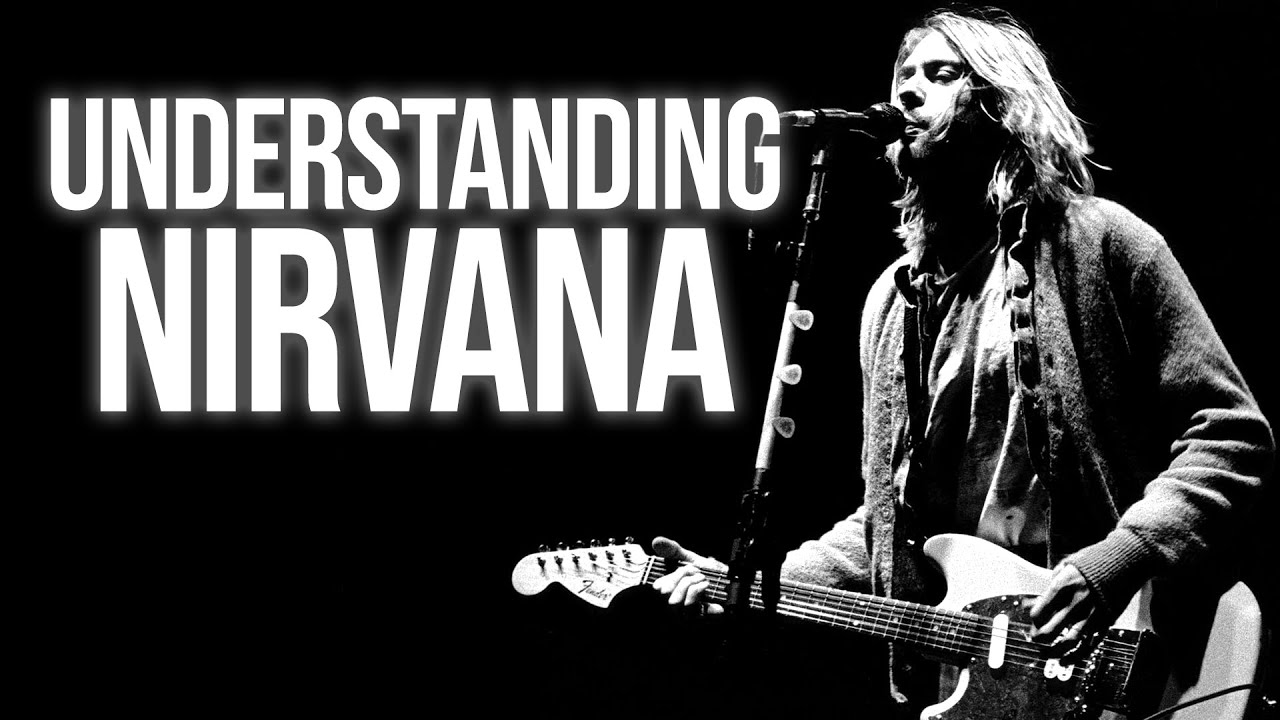
- this is going to be the first part in a series where we're going to be taking a look at how Nirvana plays awesome guitar solos and in this video we're going to be taking a look at my favorite solo which is the solo from the song Smells Like Teen Spirit of course Nirvana's
- greatest hit that they made and uh let's go ahead and play the solo free really quick and then we're gonna get into deconstructing the solo and like I said this is a series of videos so make sure you're subscribed following whatever you want to call it so that you don't miss the next parts of this series so let's
- go ahead and play the solo really quick so those of you know solo it goes like this [01:15] it just does that a bunch of times at the end so really really really awesome so and the chord progression for this we're going to take a look at one second of course those of you know this riff it goes like this foreign [01:35] power chord also known as F5 you'll see on the chart that we're going to use in a second B flat power chord A flat power chord and a d flat power chord so let's go ahead and get into the deconstruction of the solo really quickly here
- so as you can see here if you don't know the solo uh there you go there's all of the tabs for the solo right on the screen for you now like I said the chord progression is an F5 B flat 5 a flat five and then d flat five so before we
- even get into picking apart nope I know the solo one thing I want to point out to you is if you're familiar with the song the solo is basically just the melody that Kurt Cobain sings from the song and I think it's really really important to point this out because it really doesn't
- matter what song it is that you're playing you can never go wrong with playing the melody in your solo and it literally like doesn't matter what style it is right so one of the most important things if not the most important thing when you're coming up with a solo for a song is it has to serve the song and
- well by definition if you're playing the Melody from the song it's definitely serving the song right now of course you can also come up with different little tweaks and variations on the melody that can help make it maybe sound a little bit more interesting but like I said it's starting from the melody so
- when we're analyzing the solo we're gonna not only learn how this awesome soul is crafted and you can apply this to your solos but it's all the same principles for creating great solos as actually creating great Melodies that you can sing and have be memorable in
- song so with that being said let's talk about what key the song is there because it's very important when we analyze any Solo or deconstruct a solo we have to understand what key it's in so that we can figure out how all of the notes in the solo relate to the key
- and also relate to the chords that are being played underneath so this song's actually in the key of A flat major slash you could also think of it F minor those are basically the same keys so those of you familiar if you start a major key from the sixth note of the key so if you notice here
- we have the notes from the key of A flat major all listed out right here for you so you got a flat is the first note B flat then C then d flat then E flat then F then G so if you actually just started the scale from that F note that's your F
- natural minor scale right so I'm saying it kind of an F minor two because the first chord is an F power chord now it's important to understand that somebody who's not super familiar with analyzing Keys might get thrown off by the fact that they're power chords
- because when we learn about chord construction and keys we typically figure out the major minor and there's actually diminished chords in the key but with power chords they can fit in the key as well because a power cord is a chord that just is no third in it so it's only a root and a fifth so if we
- look at this the first chord is F5 so that would be like the six chord in the key and then the next chord is B flat five so that'd be like the two chord in the key and then the chord after that is a flat five which would be like the one chord in the key and then finally d flat five which is like the four chord in the key
- so you could think of it like that six two one four in the key of a flat as the chord progression but it's just converted into power chords but as you can see all of those do fit in the key of a flat and that's actually the only key that all of those chords would fit
- in so that's one of the reasons why it's important to uh figure this out and you'll also see all of the notes in the solo itself only would fit in the key of a flat okay so with that being said we're gonna go by chord by chord and see how each note relates to each chord
- because that's actually where you start getting a lot of benefit from analyzing these solo and see what chord tones are being played over what chord so if you notice down here I have listed a bunch of stuff and it's basically each of the chords in the progression F5 then B flat
- five then a flat then d flat and we have listed all of the notes in the key starting from the root of that chord so they're all the same notes that you see listed above but they're just reordered starting from the root of that chord so you'll see what I mean in a second so
- let's get into the analysis of the solo so it's really helpful if you can read music there's the tabs there if you want to play it but we're gonna be reading a little bit of music because this is just the easiest way to do these kind of analysis there is no other way that I'm aware of to do this kind of analysis
- without being able to read at least a little bit so the beginning of the solo starts with this awesome lick okay so the first note happens to occur if you look here as the F power chord is being played and the first note is going
- to be a c so if you look let's go to the F5 section right here with all the notes listed out so we know that first notes a c so if we go find C in our notes listed out it's right there and that's the fifth of the chord okay
- so every chord has a root third and a fifth just their basic forms like if it's a minor chord or a major chord and like I said actually the power chord only has the root and the fifth in it but you can play any of the notes from the key against the chord it's just that you're not totally sure how they're
- gonna sound if it's not the root third or fifth Roots thirds and fifths are always going to sound good against a chord that you're playing over so that's why that note there Works super duper well because well he starts on a great chord tone the fifth so I'm going to write right there he got that red number five five under that C note so the next
- note after that is going to be an E flat so let's look and see what chord tone what number is E flat so if we look still on the F5 row here we see that E flat is actually the flat seven so why am why are we calling it The Flat seven
- whenever we do these analysis where we're taking a major scale and we're rearranging the notes or reordering the notes and starting from a new note in the key we actually compare it to whatever that major scale would be starting from that
- note so that might sound confusing but hear me out here for a second so if we had an F major scale completely different key it actually has nothing to do with the song but if we had an F major scale well there wouldn't be an A flat in it there wouldn't be a d flat in it there wouldn't be an E flat those notes would all be natural so in
- comparison to the F major scale we go oh wait a second that's a flat seven that's not a regular seven that's a flat seven because again if we were in F major because that's the first note that we're starting from we would actually have an e natural so instead of seven we call that flat seven
- okay so that next note in the progression is going to be the flat seven so we have the fifth and then we have the flat seven so now finally if you notice the next Note coming up the chord changes so actually in this
- progression the chord always changes on the and of three so it is important to know exactly where the chord changes because now we have to switch the row that we're looking at here of all the notes listed out in the key uh according to each chord so now B flat five
- that note that's being played so this is the third note of the solo so we had c e flat and then F okay so that f is going to be again actually check this out so let's look at the B flat row so B flat c d flat E flat F
- is the fifth so what do you know we have it's two different notes the first note was C in the solo and that was the fifth of the F chord but now the B flat chord has an F note on it that's the fifth of
- the B flat chord very very interesting so it seems like Kurt Cobain likes using fifths on each of the chords so far uh and let's actually hear sometimes it's nice to hear like on the piano the chord being played and then here the guitar playing the notes under it so here's the chord
- so that's B flat five and then I'm playing that F over it sounds great against that chord right okay so now the next note is very interesting because it's actually held over between two chords so the next note
- is actually going to be an A flat so let's see here let's go to the B flat five row again where's a flat oh look at that guess what a flat is the flat seven again hmm very interesting so it seems like fives
- and flat sevens sound good against those chords so actually I'm just gonna copy and paste here this flat seven so look the whole first measure that literally that whole entire first phrase is just fifth so fifth flat seven and then fifth flat seven but of course actually in the
- beginning of the solo the first two notes he goes up from the fifth to the flat seven and then in the next part he goes down from the fifth to a flat seven an octave below instead of going up to another flat seven so that kind of disguises the fact that it's actually the same chord tones so they're not different they're
- not the same notes they're the same chord tones on different chords which makes them different notes okay so now we're holding this note out from this B flat power chord to the a flat power chord so remember this is an A flat note so we need to think oh wait okay we have
- to look at the a flat row down here and the lower left oh wait a second a flat is just the root of the chord so now this note actually turns into the root of the next chord so on one chord it happens to be the flat seven
- but on the next chord it happens to be the root so those are all really good notes to play Roots thirds fifths and then sevenths are also fantastic notes to play over any given chord it doesn't matter what chord it is uh you do have to be careful like if it's a major seven
- chord which we don't have to deal with that right now but if it was like a major seven chord well you don't want to play a flat seven on a major seven at least you don't want to uh hold it out for a long time so you have to pay attention to those chords if you notice actually if we are on that a flat five chord notice how the seventh is not a flat
- seven the seventh is over here it's a g note and it would just be a major seven so maybe you could have picked that that note to play so here's actually uh a flat five chord and then this is the root so that's that a flat but like what if he would have
- played a g instead a little bit different sounding but still sounds nice it sounds a little bit uh dissonant a little bit more colorful so now what we're going to do is we're going to keep moving on so we got an E flat as the next note so
- remember we're still on the a flat power chord so E flat is going to be the one two three four five oh wow interesting another fifth another fifth on the chord so we have that
- so he kind of plays that you play E flat and he slide up so now let's check that out so we had the next note is an F now is the first part where we're gonna deviate a little bit from we had all these fifths and flat sevens and we had one root now we got F so if we look f is actually
- going to be the sixth oh sixth that one is definitely not a root third fifth or a seventh so now we have a six there so sixth if you're playing on the one chord of the progression which so this is the six the F power chord this is the two
- and then this is the one and then this is the four like I was saying before if we're playing on the one chord this six is definitely a great note to play uh basically on any chord actually this six is a great note to play uh where you have to sometimes be careful is if that chord happens to have a flat six in it
- but sixths are just a little bit more colorful it's not that they're better they're a little bit more colorful than for example just the root on the chord right so we have a nice mix of there was a root which some people think the roots boring on a chord but then a nice color tone which is the six so hear them play
- the chord foreign and then there's that six the F note so listen to it one more time very very very nice sounding and then finally we get over to the next chord which is d-flat power chord and we go
- back down to an E flat note so what's going on here we're going to let's go ahead and erase that so we're going to check out the d flat row here so if you notice E flat now is the second oh second so now we're
- starting to get a little bit more of these what we call color tones mixed in there so color tones are basically seconds fourths and sixth or some people call them nines elevens and thirteens not going to get into the explanation behind that it's just sort of conceptualizing a different way but seconds fourth and six
- those are going to be our chord tones well that aren't really chord tones they're not the main chord tones of root third fifth and then sometimes seventh right so we have that second but then it immediately goes down so that was an E flat it immediately goes down to d flat so d flat
- is gonna be just the root again so a lot of times if you're unsure about using a color tone on a chord well what you can do is just really quickly resolve it to one of the chord tones one three five or seven and you'll never have a problem if
- you do that um it just sounds really nice so let's hear actually what that second sound like really quick so I'm going to play that d flat power chord foreign so that's the E flat against the d flat power chord one more time
- but now here's the root d flat see it sounds much different there's uh there's the second and there's the root okay so that's the part where we're kind of doing this nice little phrase we're actually just going down the a
- flat major scale there if you notice it's step wise like on the notation you're moving down a step down a step down a step and then now we're gonna have this similar idea from before where we're going to play a note on this d flat power chord and then we're going to hold it over to the next chord in the progression so d
- flat five we're going to have a C note that's there so if you look at the d flat five row C is going to be the seventh otherwise called the major seven okay so we're gonna put that one there that c is the seventh of the chord let's listen to what that sounds like against the chord again it's really important to
- hear really dig into how each one of these notes sounds against the chord ha very nice very nice some people might consider that a bit dissonant but it's okay even if you do think it's dissonant because immediately we're going right back to an F five
- quarter F power chord and you notice well if we remember all the way from the beginning the first note we started on with C look this is the same note again it's a c so we can just go and look and wait a second see is the fifth on this chord by the way this is why it's also really important
- to do this kind of deconstruction and Analysis on solos because when you do this enough times you start getting really fast at it you just go oh yeah I know that that's a fifth oh that's the root oh that's the second blah blah blah and then you start to remember what these things sound like see that's actually the most important part of course is that it sounds good right but
- we're kind of seeing why it sounds good all of these are great chord tones lots of fifths lots of roots a couple of six and seconds here and there but then for the most part uh it's a lot of centering around the fifth actually of the chord which is very interesting because of the fact that it's power chords and power chords
- literally just have a root and a fifth in them okay so we're actually almost done here because once we get to the end of this line well the next line is just you just repeat the exact same thing right and uh we won't really deal with the end of the solo because I just don't want this to take super long and the end of the solo is basically just the same
- thing over and over so after this C we have a d flat so we're on the F power chord again but we have a d flat so what's going on with this d flat this is actually what I mentioned earlier for a second d flat is the flat six
- and you'll see let's let's write that right there so that's the flat six and now let's see what that note sounds like if we just hold it against uh an F power chord foreign does that sound good to you
- it sounds a little crunchy to me right but guess what that note only happens for a split second it happens for for a split beat actually because it happens for one eighth note and one eighth note is half a beat so even though that note
- sounds a little bit nasty if we really just sit on it and hold it a lot of times even if that note sounds a little nasty sitting and holding on it it doesn't really matter because look we go right back to a c again the same note so we have this it goes immediately down to a c and now
- if I play that chord I'll play D flat and then C right afterwards let's hear what that sounds like now it sounds cool because it resolved down to the fifth right and the fifth is always going to be a great sounding option for you to put on the chord like I've been saying this whole time so if
- you ever want to use these notes that sound a little crunchy or sound dare I say wrong well it's okay because you just resolve it right back to one of those chord tones that's one thing to keep in mind for your own solos resolving to chord tones okay so now we
- have B flat five and guess what that's actually a B flat note there so you shouldn't even have to look at the chart here to figure out that that's the root if you're playing a B flat on a B flat chord well that's the root so I'm just gonna put a number one there so sometimes you can just write R for root
- but also the root is one just in case you didn't know that um and then check this out there's another a flat at the end remember all the way back here on the first bar the end of the first bar there was an A flat there so guess what that's the same exact chord tone flat seven a flat is
- the flat seven on that B flat power chord and then guess what it gets held over to the a flat chord again just like before a a a flat getting held over from the B flat chord to the a flat chord so guess what that's just another root so
- now all of a sudden we had a bunch of chord tones the last uh actually one two three four five six out of the last six notes there's only one non-chord tone so there was a fifth another fifth a root a flat seven a root and the only one that wasn't a chord tone was that flat six
- that got held for just a half a Beat so now we're getting towards the end where we had this phrase so that's the note that we just landed on and now we have so we play this B flat note next and
- this is gonna be the first time that we see a second on the a flat chord so remember now we're on the a flat chord and you see they're B flat is the second so let's go ahead and put a number two right there that's the second of the chord but then remember I told you that's kind of not a
- chord tone but look guess what we're going up to a c right after that which is two Frets higher and then guess what the C is the third of the chord right see that right there we just go up one degree in the scale and now listen actually
- crazy enough even though I think thirds are fantastic notes to play it uh over any chord that is actually the first third that we've seen in the whole entire solo very interesting that none of the chords themselves have thirds because they're power chords and then even the actual
- solo and the melody that Kurt Cobain's hearing over this didn't have any thirds in it either very very very interesting so if we listen let's play an A flat chord and then I'm gonna play the root and then the second and the third it's actually literally just going up the scale so there's the root
- second let's listen to that very carefully SEC seconds are really nice I love I love playing seconds and then there's the Third so now that's really telling you like when he plays that a flat major chord and there's a c over it that's really
- telling it well it's an A flat major chord so I meant a flat power chord but he's putting the third in it with the solo and the melody there's the third in it so then finally we're basically done because then we're getting to the end of the part that repeats so we got three notes left three notes left
- okay so we're switching to the D flat five chord again and then now we actually have a B flat note there so we're going back down to that B flat that's on the eighth fret of the fourth string but now again the relationship changes a little bit so now that B flat is actually a sixth
- another sixth so before we had it a sixth that was on the a flat five chord but now we have a sixth that's appearing on the d flat chord very very very very very interesting so let's listen to what that sounds like
- there's the chord there's that B flat note the sixth and then we're just going down the scale actually so without even thinking about it you're going down one note to a flat so that's going to be your fifth and then this one's going to be very very
- interesting so the last note there is going to be a g so if we look on that d flat five row G is the sharp four why would we call it the sharp four it's what I explained earlier so if we were thinking of this as a
- d-flat major scale it would be a g flat actually so if we were in the key of D flat which we're not we're in the key of a flat right now there would be all the same notes except it would be a g flat note instead so G natural is one step higher than G
- flat so that's why we call that the sharp four and then finally actually once we Circle back around that note gets carried over to the F5 chord and if you notice well G is the second on the F5 chord so it ends actually on a note that's not a chord tone on each of those
- chords the d flat five or on the F5 chord so that becomes the second on that F5 chord so let's hear what that g sounds like first over the d flat chord and then over the F chord so here's G over the d flat chord foreign
- crunchy sounding right but then once we play the F5 chord not as crunchy sounding but very very colorful sounding right very very nice so to recap you see that there's a ton ton
- of chord tones but then there's a few non-chord tones sprinkled in for just to add more color to it right and again this is not what Kurt Cobain was thinking probably I'm sure it wasn't uh everybody everybody say it with me Kurt Cobain didn't know music theory yay
- he didn't know music theory so I guess that means I don't have to learn it either now of course if you made it this far in the video uh you obviously don't think like that but it's just funny to me uh you know people are like oh Kurt Cobain didn't know music theory so I shouldn't learn it either no he was this hearing it but now we're figuring out why it works the way it
- does and these are things that you can kind of look out for when you actually write your own Melodies In the solo so or write your own solos on songs or just practice saying hey uh there's all kinds of exercises that you can actually do with this for example you could say I'm
- in a practice soloing over a chord progression and I'm only going to use fifths on all the chords or I'm only going to use roots or I'm only going to use six you can see how each of these chord tones is gonna sound over each of the chords that you're playing in any progression that you're working on or you're writing or any of this kind of
- stuff so make sure you're subscribed to the channel so that you don't miss part two where we're going to analyze another awesome Nirvana solo and if you're looking for a guitar our course that's going to take you step by step and teach you every single thing that you need to know to be able to understand fully what
- you're doing in your solos and be able to play awesome solos and master the entire guitar fretboard make sure you check out the gemsville GPS fretboard fundamentals course Link in the description below and you can see that's what the cover of the ebook that comes with the course looks with I designed it
- myself by the way yes I'm very very proud of that did everything myself took a lot of work a lot of work to make the course but it's a fantastic course and I promise you that you're gonna love it and it's an amazing price for what you get again make sure you subscribe hit the like button and until next time listen learned and jam